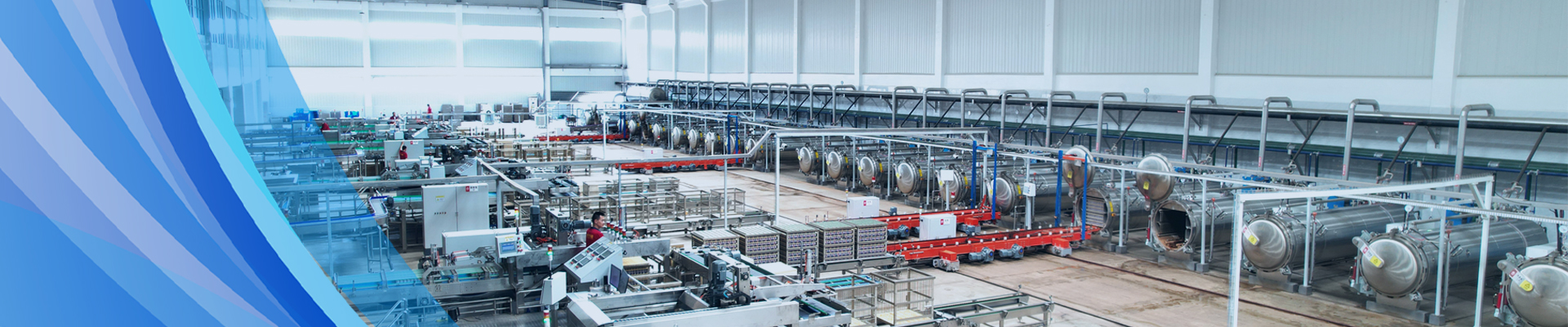

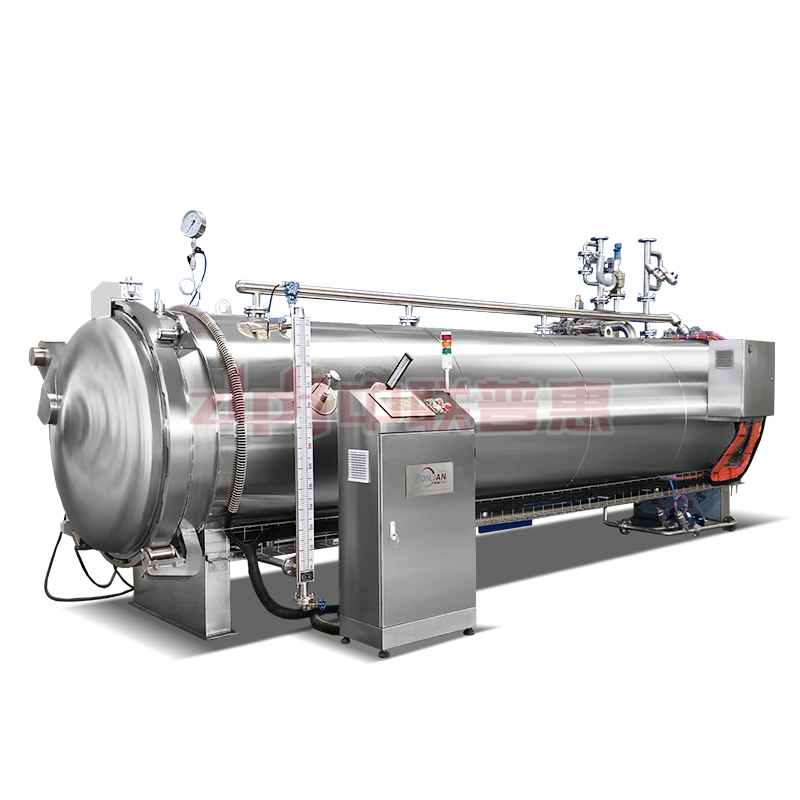
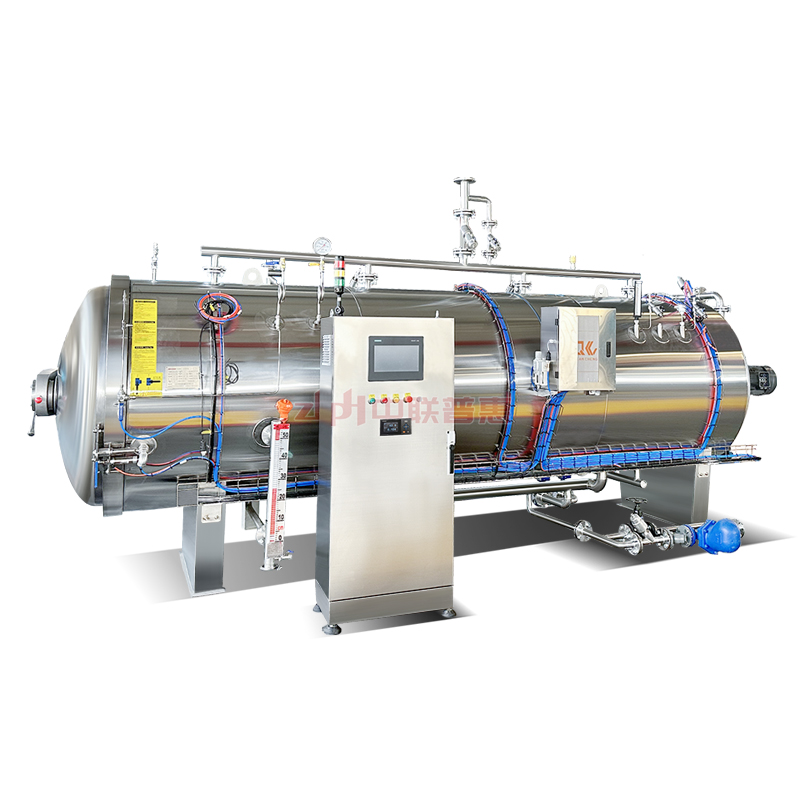
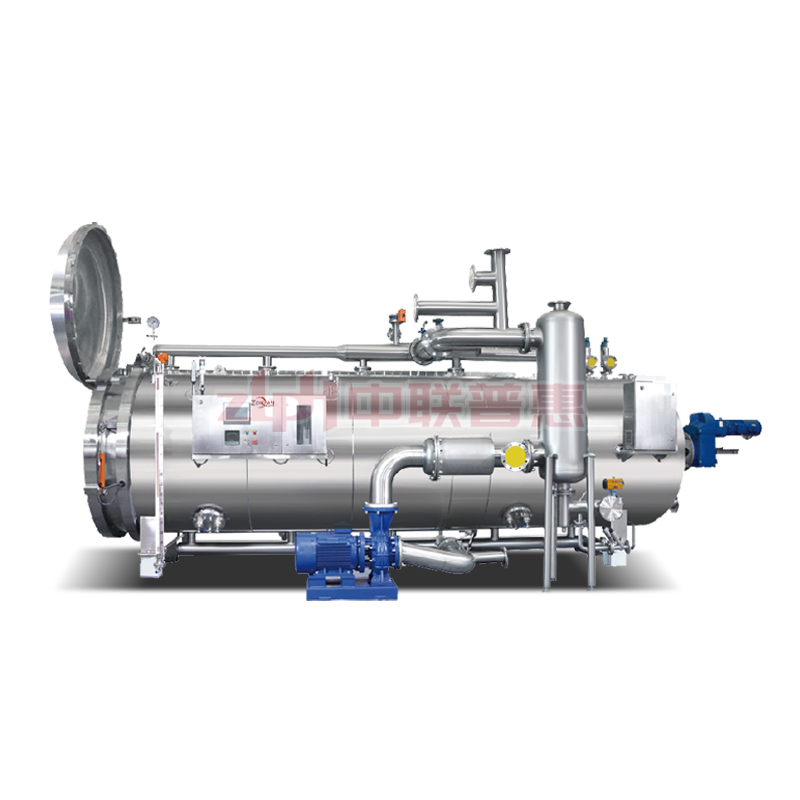
This guide is authored by a senior food processing engineer with over 10 years of experience at ZLPH MACHINERY TECHNOLOGY CO., LTD., a globally recognized provider of advanced sterilization solutions. It addresses a critical challenge faced by food manufacturers worldwide: achieving consistent, efficient, and compliant thermal sterilization in high-throughput production lines. Inconsistent sterilization—leading to product recalls, safety risks, or over-processing that degrades texture and nutrition—is primarily caused by three factors: uneven heat distribution, inadequate process control, and mismatched equipment design for specific product formats. Drawing from more than 5,000 global installations and rigorous R&D validation, we present a proven, step-by-step methodology to eliminate these issues. This guide breaks down real-world scenarios, root causes, actionable solutions, and industry best practices to help you select and deploy the right continuous retort autoclave system—ensuring food safety, regulatory compliance, and operational efficiency.

How do I ensure uniform sterilization for canned vegetables in a continuous retort system?
1. Scenario & Pain Point
In large-scale vegetable canning facilities, operators often observe inconsistent F0 values across batches—some cans under-sterilized (risking microbial survival), others over-processed (causing mushiness and nutrient loss). This inconsistency disrupts shelf-life stability and increases waste, especially when processing mixed-size containers on the same line.

2. Root Cause Analysis
The core issues stem from: (1) non-uniform water spray coverage in static retorts, creating cold spots; (2) lack of real-time temperature/pressure monitoring per basket; and (3) fixed cycle times that don’t adapt to load density or container geometry.

3. Step-by-Step Solution
Immediate Fix: Implement basket rotation during sterilization to promote even heat exposure. Use multi-zone spray nozzles calibrated for flow rate consistency.
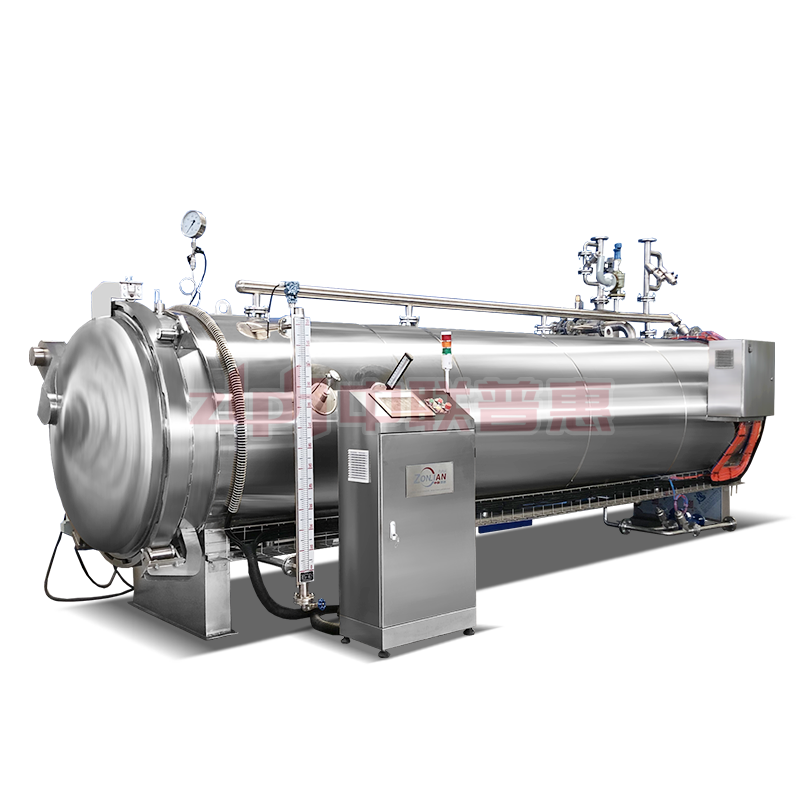
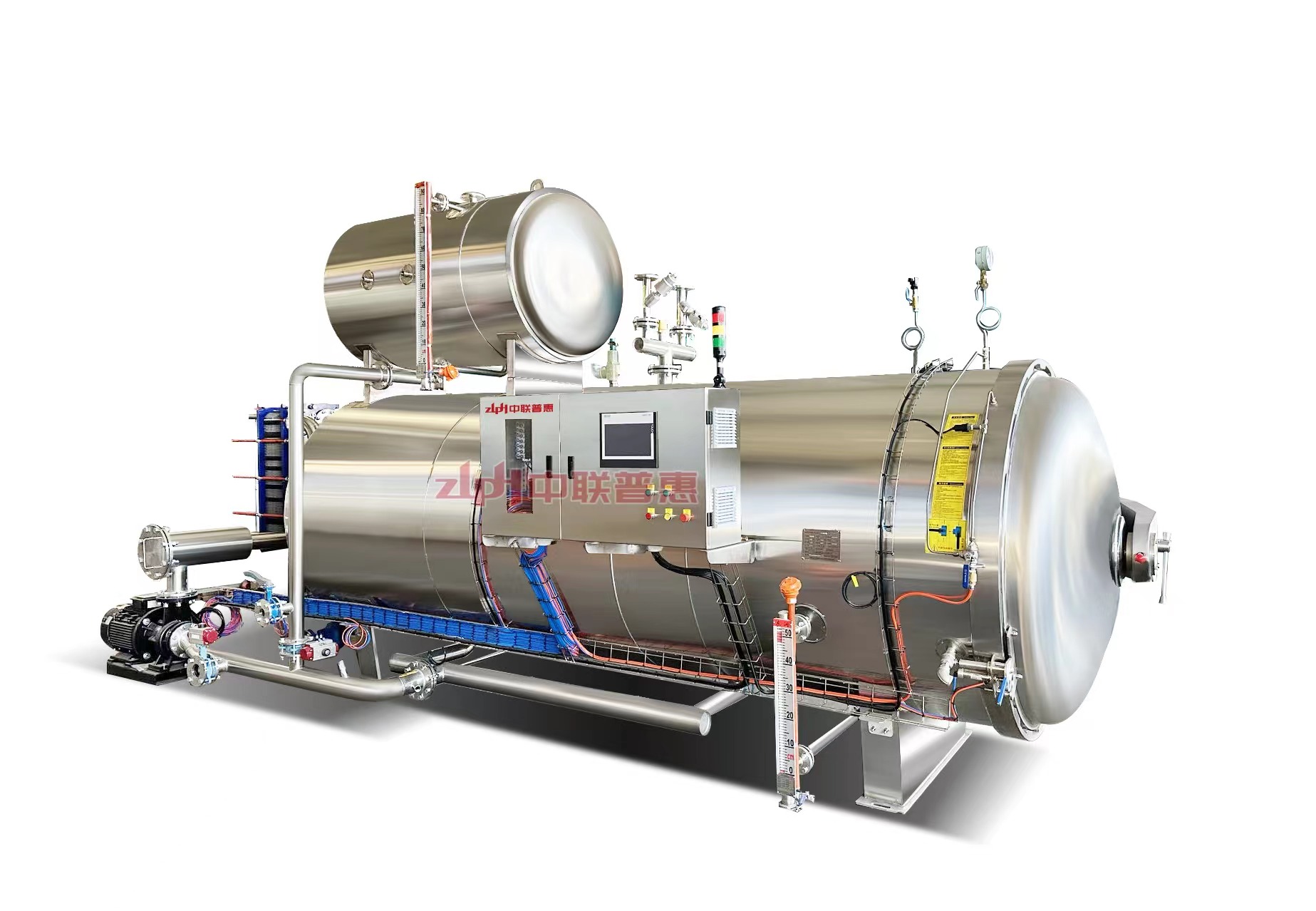
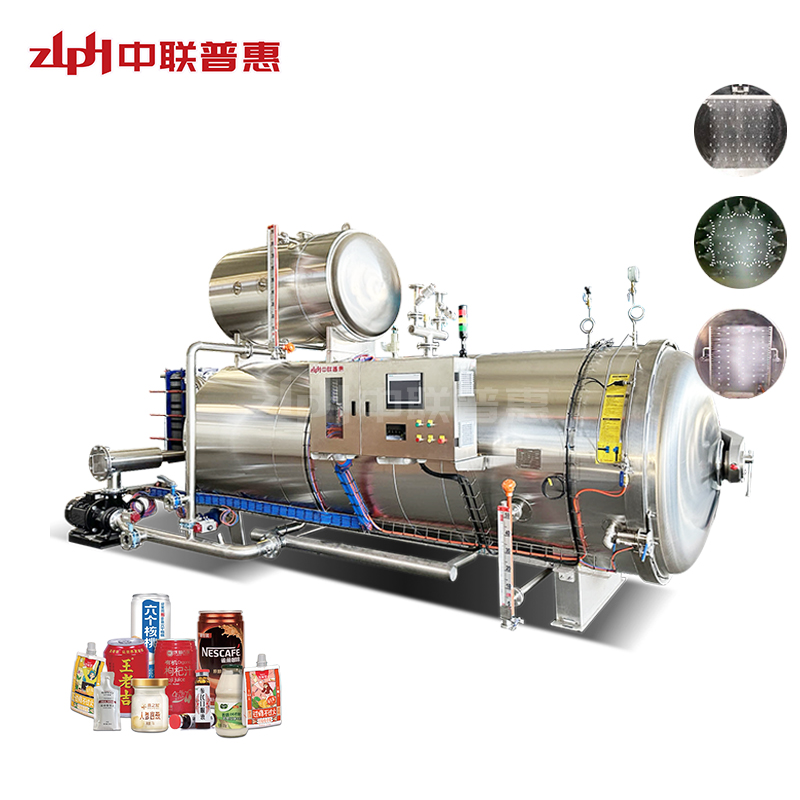
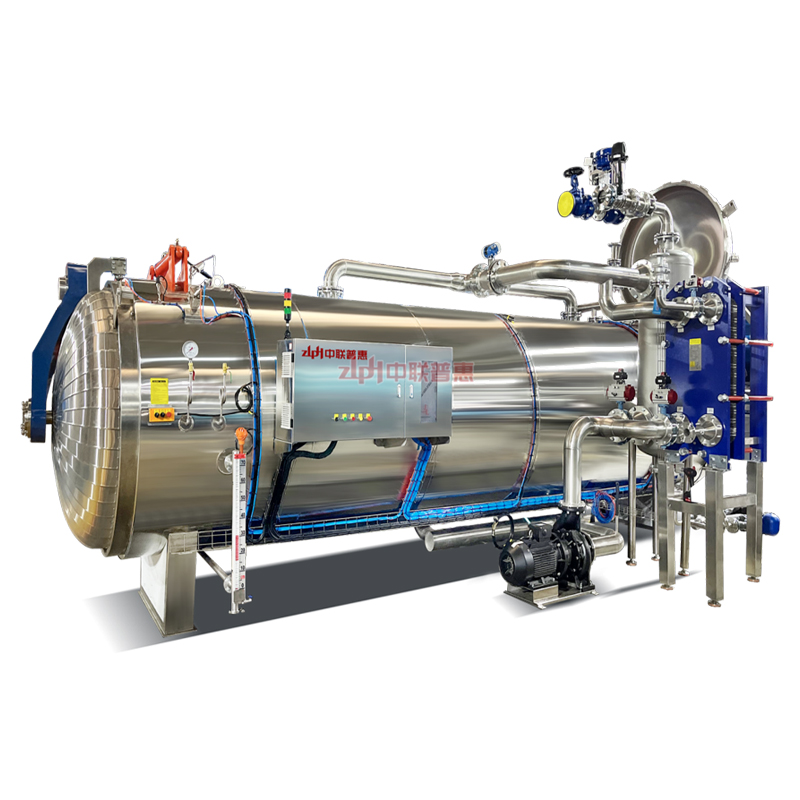
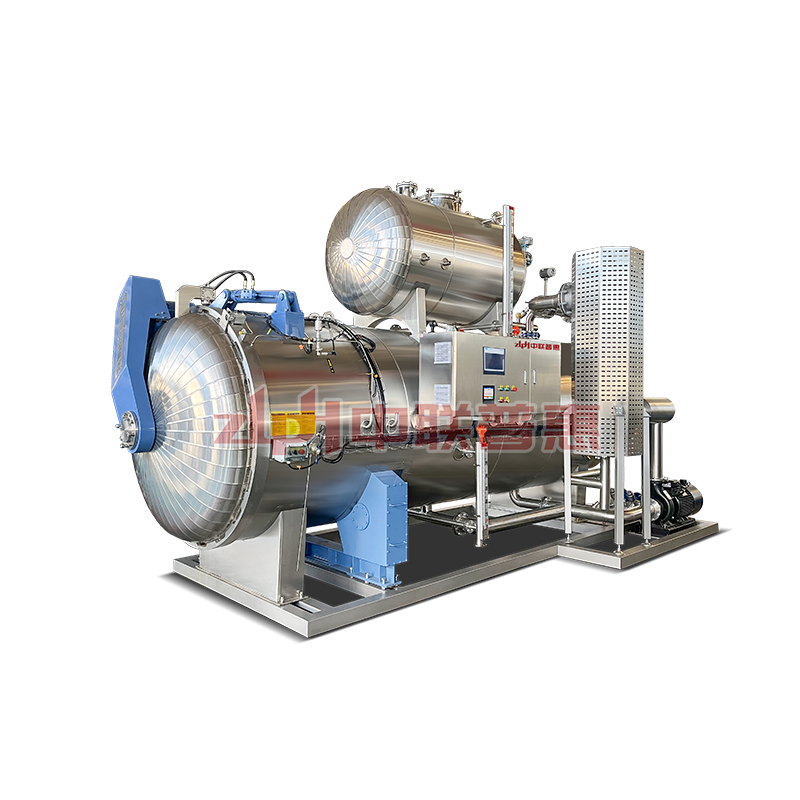
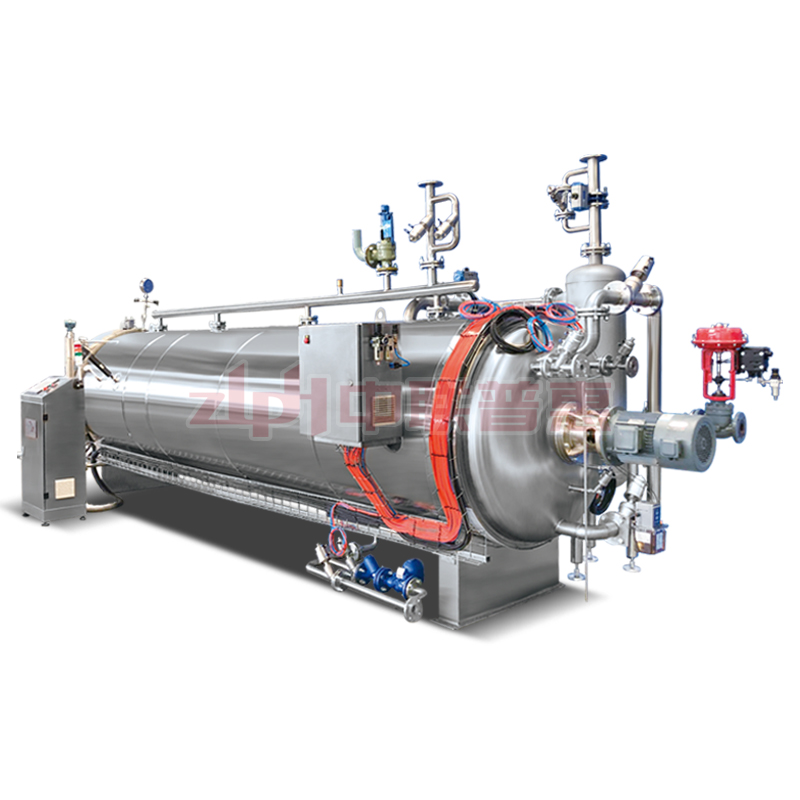
Long-Term Strategy: Deploy an intelligent top-opening water spray retort with dynamic process control. ZLPH’s system features independent upper/lower spray manifolds and real-time PID-controlled steam/water injection, ensuring ±0.5°C temperature uniformity across all containers.
Parameter Optimization: Integrate product-specific F0 calculation software that auto-adjusts cycle time based on real-time thermal data from wireless dataloggers placed in representative cans.

4. Troubleshooting & Pitfall Avoidance
Verify nozzle alignment monthly using flow meters; misaligned sprays cause >15% F0 deviation. Never use single-point temperature sensors—always validate with distributed probes. Avoid “one-size-fits-all” cycles; create separate profiles for glass jars vs. metal cans.
5. Validation Results
At a Southeast Asian vegetable processor, ZLPH’s continuous retort reduced F0 variation from ±8 to ±1.2, cutting spoilage by 92% and energy use by 18% through optimized cycle times.
How can I prevent package deformation during retort sterilization of flexible pouches?
1. Scenario & Pain Point
Flexible retort pouches (e.g., ready meals) often bulge, leak, or burst during pressurized sterilization due to internal vapor pressure exceeding pouch strength—especially with high-fill products like sauces or stews.
2. Root Cause Analysis
Key causes include: rapid pressure ramp-up without counter-pressure balancing, inadequate cooling phase control, and absence of precise pressure differential management between chamber and pouch interior.
3. Step-by-Step Solution
Use a retort with independent pressure control loops for heating and cooling phases. ZLPH’s system maintains ΔP < 0.3 bar throughout the cycle via servo-controlled air-over-water pressurization, preventing pouch stress.
Implement staged cooling: first reduce temperature slowly under pressure, then gradually release pressure to avoid sudden expansion.
4. Troubleshooting & Pitfall Avoidance
Always test pouch seal integrity at 121°C before full-scale runs. Monitor chamber pressure response time—delays >5 seconds indicate valve wear needing replacement.
5. Validation Results
A European ready-meal producer achieved zero pouch failures after switching to ZLPH’s pressure-balanced retort, validated by third-party lab tests showing consistent seal strength retention post-sterilization.
What certifications are required for continuous retorts in EU and Russian markets?
All retort systems must comply with regional safety and quality mandates. ZLPH holds EU CE Certification, Russian EAC Certification, ASME Authorization for pressure vessel fabrication, and Malaysia DOSH approval—ensuring seamless market entry across 50+ countries. Additionally, our ISO 9001-aligned quality system and AAA Credit Enterprise status reinforce compliance credibility.
Industry Best Practices for Continuous Retort Deployment
Based on 6 years of global project execution, we recommend this 5-step framework:
1. Map Product Matrix: Catalog all container types, fill ratios, and target F0 values.
2. Simulate Thermal Profiles: Use computational fluid dynamics (CFD) to model heat penetration before purchase.
3. Validate with Pilot Runs: Test 3+ worst-case SKUs under full production speed.
4. Integrate Data Logging: Ensure OEE tracking via IoT-enabled control systems.
5. Schedule Preventive Maintenance: Quarterly calibration of pressure transducers and spray nozzles.
Best Practice: Always size retort capacity 20% above peak demand to accommodate future SKU expansion without revalidation.
Frequently Asked Questions (FAQ)
Q: Can batch retorts be upgraded to continuous operation?
A: Not cost-effectively. Continuous systems require integrated conveyance, synchronized loading/unloading, and dynamic control architecture—fundamentally different from batch designs.
Q: What’s the minimum throughput for a continuous retort to be economical?
A: Typically >2,000 cans/hour. Below this, semi-automatic batch systems offer better ROI.
Q: How often should spray nozzles be cleaned?
A: Daily in hard-water regions; weekly with softened water. Clogged nozzles reduce heat transfer efficiency by up to 30%.
Q: Do ZLPH retorts support Industry 4.0 integration?
A: Yes—our PLC systems provide OPC UA, Modbus TCP, and MQTT protocols for MES/SCADA connectivity.
Q: Are spare parts available globally?
A: We maintain regional warehouses in Germany, UAE, and Singapore, ensuring 72-hour delivery for critical components.
About Our Expertise
ZLPH MACHINERY TECHNOLOGY CO., LTD. is a leading innovator in continuous sterilization systems since 2018. Our 45-member engineering team—including 21 mechanical designers, 4 sterilization process researchers, and 14 field service engineers—has deployed solutions across 30+ countries. With 15,000㎡ of manufacturing space, ASME-certified fabrication, and 500+ installed retorts, we combine technical depth with global execution capability.
Custom Solution Support
We offer:
- On-site thermal process validation
- Container-specific retort tray design
- Integration with upstream filling lines
- Free pilot testing at our Qingdao demo center
Contact Information
Company: ZLPH MACHINERY TECHNOLOGY CO., LTD.
Website: https://www.zlphretort.com/
Email: sales@zlphretort.com
Phone / WhatsApp: +86 15666798389 / +86 13361554016
